

Stepping into the world of advanced weight management and body recomposition peptides can be daunting. While the potential of compounds like Survodutide (also known as BI 456906) is immense, their efficacy is entirely dependent on one critical factor: proper administration and protocol discipline. Unlike oral supplements, peptides require precision, patience, and a structured approach to unlock their benefits while minimizing side effects. This guide is your comprehensive manual, moving beyond the hype to deliver a clear, actionable roadmap for using Survodutide safely and effectively.
Understanding the Survodutide Difference: A Triple-Agonist Powerhouse
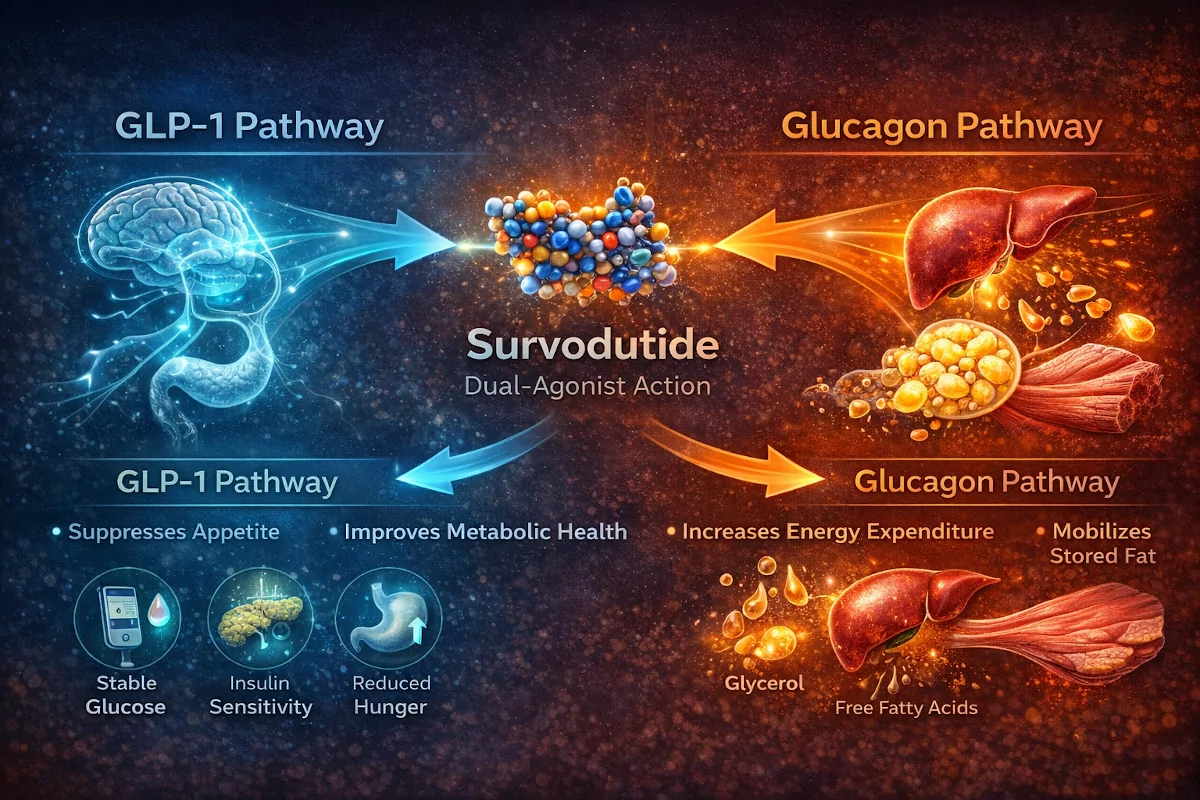
Before you touch a syringe, it’s crucial to understand what makes Survodutide unique. It is not just another GLP-1 agonist. Survodutide is a dual glucagon and GLP-1 receptor agonist, often referred to in research circles for its “triple-mimetic” potential due to its potent effects. This dual mechanism is key:
- GLP-1 Component: Mimics the Glucagon-like Peptide-1 hormone, powerfully suppressing appetite, slowing gastric emptying, and improving insulin sensitivity.
- Glucagon Component: Mimics glucagon, which increases energy expenditure (calorie burn) and enhances the liver’s ability to break down and mobilize fat.
This synergy targets fat loss from both sides of the equation: reducing caloric intake and increasing caloric output. For athletes, this can mean breaking through plateaus that simpler compounds cannot touch. As part of the new wave of metabolic peptides, it underscores the trend we explore in Beyond Steroids: How Peptides Are Revolutionizing Fitness and Recovery.
Pre-Injection Protocol: Gathering Your Toolkit
Success starts with preparation. Never begin a protocol without all necessary supplies on hand.
Your Essential Kit:
- Survodutide Vial: Lyophilized (freeze-dried) powder.
- Bacteriostatic Water: The sterile solvent for reconstitution. Do not use plain sterile water.
- Insulin Syringes: Low dead-space, 0.3mL or 0.5mL syringes with fine-gauge needles (29-31G).
- Alcohol Swabs: For sanitizing vial tops and injection sites.
- Sharps Container: For safe needle disposal.
Reconstitution Math Made Simple:
Reconstitution determines your dosing accuracy. The goal is to create a solution where the dose you need is easy to measure on an insulin syringe.
- Example: You have a 2mg vial. You add 1mL of bacteriostatic water. Now, every 0.1mL (or 10 “units” on a 1mL syringe) contains 0.2mg of Survodutide.
- Pro-Tip: Use a peptide calculator app or website to eliminate math errors. Always label your reconstituted vial with the date, concentration, and expiration date (typically 4-6 weeks when refrigerated).
The Titration Ladder: Your Blueprint for Success
The most common cause of failure with peptides like Survodutide is impatience. Titration—gradually increasing your dose—is non-negotiable for managing gastrointestinal side effects and allowing your body to adapt. Follow this phased approach.
Phase 1: Initiation & Assessment (Weeks 1-4)
- Starting Dose: 0.3mg – 0.5mg, administered once weekly.
- Goal: Assess tolerance. Initial appetite suppression may be mild.
- Monitoring: Log energy levels, hunger cues, and any nausea. This is a diagnostic period.
Phase 2: Strategic Escalation (Weeks 5-12)
- Increments: Increase your weekly dose by no more than 0.25mg – 0.5mg every 2-3 weeks.
- Goal: Find your individual “sweet spot” dose—where fat loss is consistent and side effects (like nausea) are manageable or absent.
- Key Insight: If side effects are severe, hold at your current dose until they subside before increasing. Do not push through.
Phase 3: Maintenance (Week 13 and Beyond)
- Therapeutic Range: Most users find an effective maintenance dose between 2.0mg and 4.0mg weekly.
- Cycling: Consider a planned break after 12-16 weeks to potentially reset receptor sensitivity. A common strategy is an 8-week break.
- Caution: Doses significantly above 4.0mg weekly dramatically increase side-effect risk with diminishing returns. More is not better.
Injection Mastery: Technique, Timing, and Sites
Proper injection technique ensures bioavailability and minimizes discomfort.
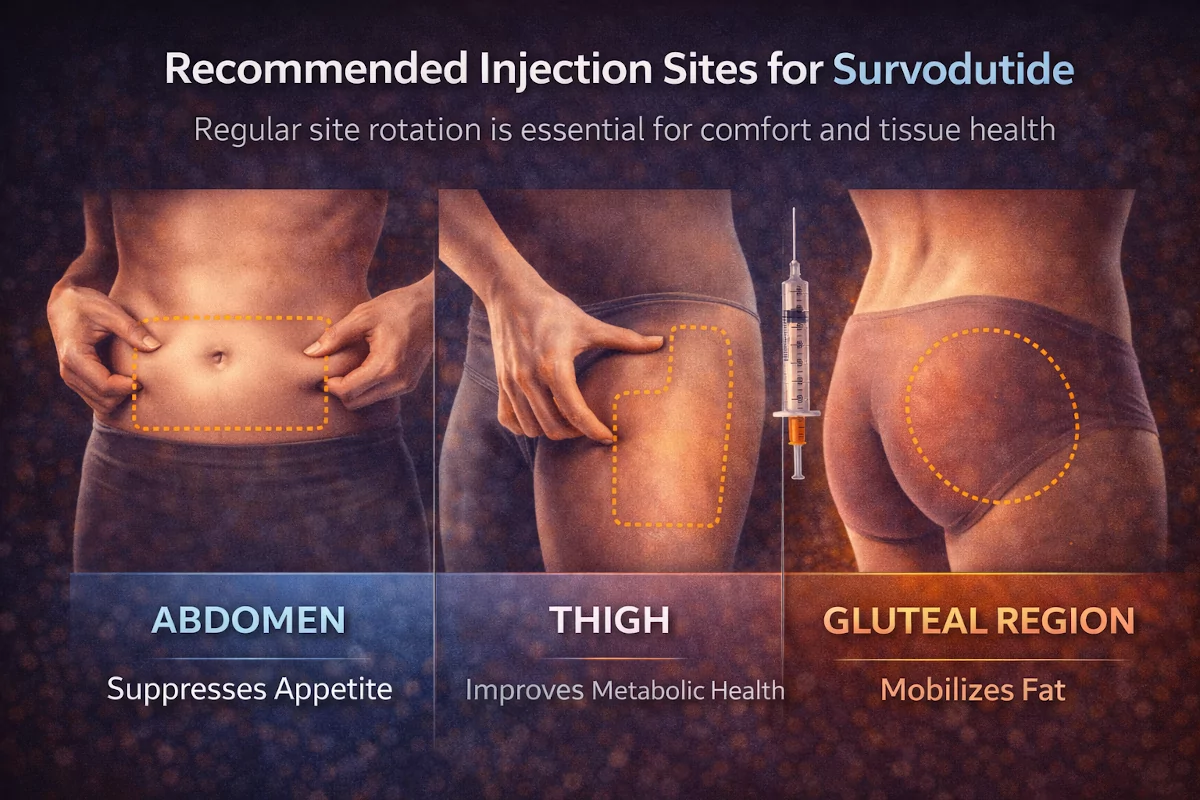
1. Site Selection (Subcutaneous):
- Abdomen: At least 2 inches away from the navel. Easy access, common for predictable absorption.
- Thigh: Outer or front area. May be preferred if abdominal fat is very low.
- Glute/Upper Arm: Alternative sites.
- Crucial Practice: Rotate injection sites weekly to prevent lipoatrophy (fat dimpling).
2. The Weekly Ritual:
- Consistency: Pick a day and time (e.g., Monday morning) and stick to it. This stabilizes blood levels.
- Timing: Morning injections may help manage appetite throughout the day. Some prefer evenings to sleep through potential initial nausea.
- Step-by-Step:
- Wash hands thoroughly.
- Wipe vial top and injection site with alcohol swab. Let air dry.
- Draw your calculated dose into the syringe, ensuring no air bubbles.
- Pinch a fold of clean skin.
- Insert needle at a 45-90 degree angle, push plunger slowly, then withdraw.
- Apply light pressure; no need to rub.
Mitigating Side Effects and Smart Stacking
Taming GI Side Effects:
Nausea and constipation are the most common hurdles. Be proactive:
- Hydrate Aggressively: Drink a minimum of 1 gallon of water daily.
- Electrolytes: Supplement with sodium, potassium, and magnesium to combat fatigue.
- Fiber: A psyllium husk supplement can prevent constipation.
- Diet: Eat smaller, blander meals when nausea is present. Avoid high-fat foods post-injection.
Strategic Stacking for Body Composition:
Survodutide is a powerful tool for fat loss, but preserving lean muscle is paramount for athletes.
- Muscle-Preservation Stack: Consider combining with a muscle-building peptide like IGF-1 LR3. To understand this powerful growth factor, read our guide on What is IGF-1 LR3? The Ultimate Guide to Benefits, Dosing, and Results. Never stack with other powerful appetite suppressants or GLP-1 drugs.
- Nutrition Synergy: Prioritize protein intake (1-1.2g per pound of target body weight) to signal muscle maintenance to your body amidst a calorie deficit.
Tracking, Troubleshooting, and the Off-Ramp
Track Beyond the Scale:
The scale is a liar. Use multiple metrics:
- Weekly progress photos in consistent lighting.
- Waist, hip, and chest circumference measurements.
- Hunger and energy journal.
- Crucial: Schedule baseline and mid-cycle bloodwork to monitor fasting glucose, lipids, and liver enzymes.
The “Non-Responder” Analysis:
If progress stalls after 8+ weeks at a stable dose, assess:
- Diet: Are you accurately tracking calories? Metabolic adaptation may require a slight intake adjustment.
- Dose: Have you truly reached an effective therapeutic dose?
- Source: Purity is everything. Ensure you have a verified and trusted Survodutide supplier by reviewing third-party lab assays to confirm compound identity and purity.
How to Discontinue Safely:
Do not stop abruptly. A “cold turkey” approach can cause severe rebound hunger.
- Taper Down: Over 2-4 weeks, gradually reduce your weekly dose by 0.5mg increments.
- Post-Cycle Nutrition: As you taper, consciously increase protein and fiber intake to manage returning appetite cues. Your maintenance calories will be lower than pre-cycle; adjust slowly.
- Preserve Results: Transition into a structured muscle-building or maintenance phase, potentially using other supportive peptides like Tesamorelin and Ipamorelin for targeted fat management or TB-500 for enhanced recovery from new training stimuli.
By following this structured guide—respecting titration, mastering the injection, and supporting your body holistically—you transform Survodutide from a simple compound into a powerful, predictable tool in your performance arsenal. Patience and precision are the true keys to unlocking its transformative potential.
