


Finding credible, science-backed information about anabolic-androgenic steroids (AAS) is a greater challenge than any max lift. The internet is a minefield of sensationalism, outdated “bro-science,” marketing hype, and outright dangerous advice. For the serious bodybuilder, athlete, or researcher, navigating this terrain requires a reliable map.
This article is that map. It is not a source list or a procurement guide. Instead, it is a meticulously curated directory of authoritative websites dedicated to pharmacological education, evidence-based harm reduction, and responsible community discourse. In a realm where misinformation has real consequences, knowledge from credible sources is your first and most important line of defense.
🚨 Critical Disclaimer: Purpose of This Directory
The resources listed here are for informational and harm-reduction purposes only. The non-prescription use of anabolic steroids is illegal in many countries and carries significant, documented risks to cardiovascular, hepatic, endocrine, and psychological health. This directory aims to elevate the quality of information for those who are researching. Any decision regarding AAS must involve consultation with a qualified endocrinologist or sports medicine physician. Your health is your ultimate trophy.
Category 1: The Medical & Scientific Foundation
Before venturing into forums or experiential data, you must understand the bedrock of clinical science. These resources provide the unbiased, peer-reviewed facts about how these compounds interact with human biology.
1. PubMed.gov (National Institutes of Health)
What it is: The world’s premier database for biomedical literature, maintained by the U.S. National Library of Medicine.
Why it’s here: This is where you find the raw, unfiltered data. It is the antithesis of anecdote.
How to use it: Learn to search specific queries. Instead of “steroids and muscle,” search for “nandrolone decanoate AND collagen synthesis randomized controlled trial” or “testosterone enanthate AND lipoprotein(a) meta-analysis.” Reading study abstracts and conclusions will separate scientific reality from gym mythology.
2. The Hormone Health Network (Endocrine Society)
What it is: The public education arm of the world’s largest professional organization of endocrinologists.
Why it’s here: To build your foundational knowledge. You cannot understand AAS without understanding the hypothalamic-pituitary-gonadal (HPG) axis, androgen receptors, and the roles of testosterone, estrogen, and other hormones in homeostasis.
How to use it: Use their patient-friendly guides to comprehend basic endocrinology. This knowledge is crucial for understanding concepts like suppression, esterification, and Post Cycle Therapy (PCT). Informed research on top steroid websites always starts with a solid grasp of these principles.
Category 2: The Harm Reduction & Analytical Core
This category bridges the gap between textbook science and real-world application. It focuses on practical knowledge: compound verification, side-effect mitigation, and protocol analysis.

3. Major Harm Reduction Wikis & Forums
What they are: Long-standing, community-driven online libraries. They are the repositories of decades of collective user experience, detailed compound profiles, and side-effect management threads.
Why they’re here: They contain a wealth of practical, albeit anecdotal, data you won’t find in medical journals—details on injection techniques, psychological effects, and long-term user experiences.
How to use them (critically):
- Focus on “stickied” or official educational threads, which are often meticulously researched.
- Use the search function extensively before asking questions.
- Cross-reference everything. A popular forum protocol should be checked against pharmacological principles and medical literature. These are tools for gathering data points, not final verdicts.
Understanding these resources is a key part of planning, which you can learn more about in our guide on Cycle Planning 101: Dosages, Durations, and Common Mistakes.
4. Analytical Testing Service Databases
What they are: Independent labs that test samples of underground AAS products and publish the results publicly.
Why they’re here: This is the cold, hard truth about product quality. These databases empirically show the shockingly high rates of under-dosing, over-dosing, mislabeling, and contamination in the black market.
How to use them: Reviewing these results is a sobering exercise in risk assessment. It underscores why sourcing is a major risk factor and reinforces the importance of harm reduction practices. For a related deep-dive on verifying a specific brand, see our article on Legit Dragon Pharma Steroids: How to Spot the Real Deal.
Category 3: Community Discourse & Experienced Perspectives
These are spaces for discussion, shared experience, and seeing how theory translates (or fails to translate) into practice over the long term.
5. Veteran Sections of Established Bodybuilding Forums
What they are: Sub-forums or sections dedicated to advanced hormonal discussion, often with minimum post requirements for entry.
Why they’re here: They can contain invaluable longitudinal data—journals from users over 10+ years, discussions on managing age-related hormone decline after cycles, and nuanced talks on ancillary drug use.
How to use them: Lurk and learn. Pay attention to members who consistently reference bloodwork, advocate for medical supervision, and demonstrate a deep understanding of pharmacology. Filter out noise from those promoting reckless “more is better” philosophies.
6. Educational YouTube Channels (with Strict Criteria)
What they are: Channels hosted by individuals with verifiable credentials (MDs, PhDs, PharmDs) or decades of documented, intelligent coaching experience.
Why they’re here: Quality video content can excellently explain complex mechanisms of action, bloodwork interpretation, and the physiological rationale behind protocols.
How to use them: Be highly selective. Prioritize channels that focus on education and mechanism over “what I took to get huge.” A good rule: if the channel feels like entertainment or sells a “secret,” avoid it. If it feels like a lecture from a knowledgeable expert, it may have value.
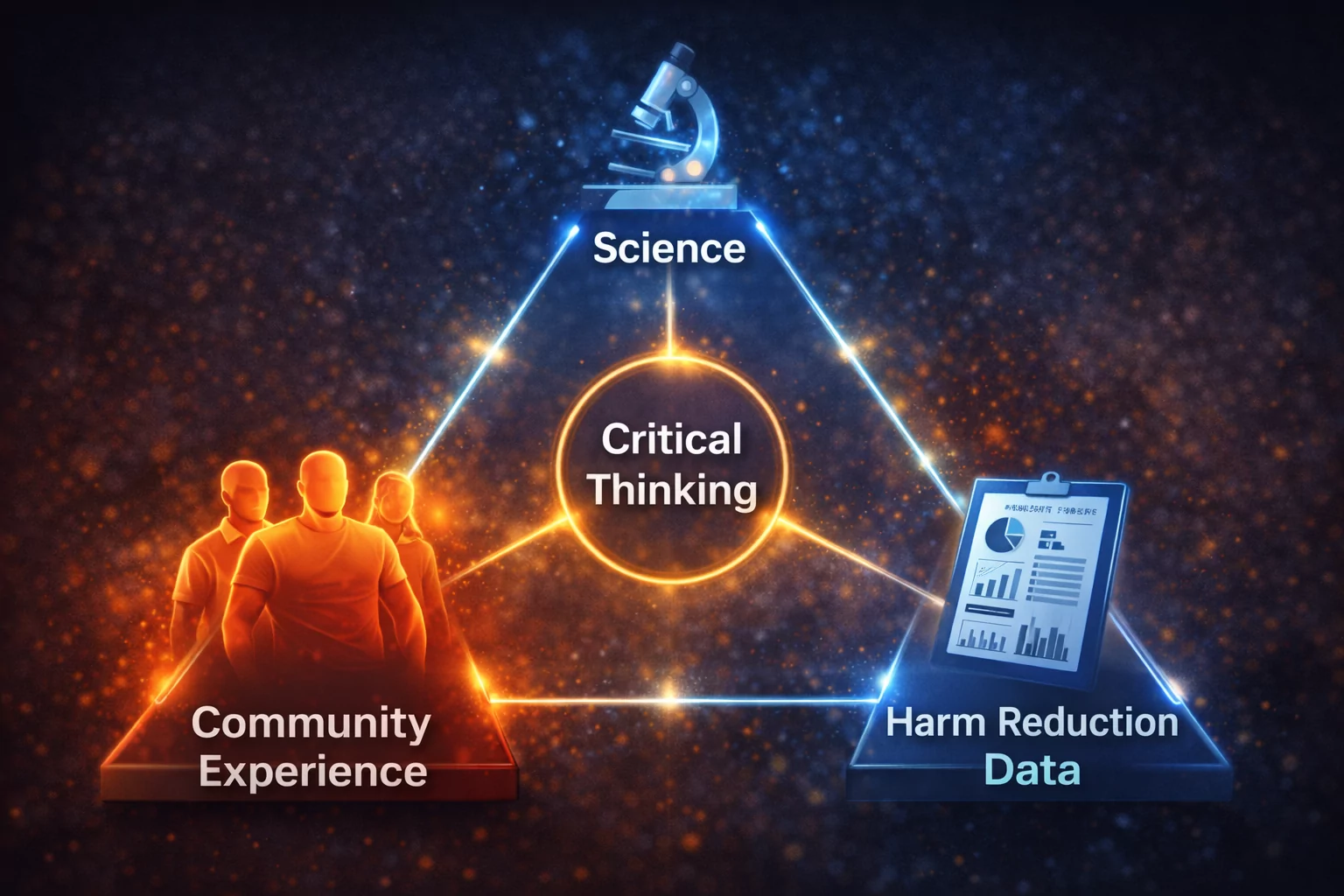
The Research Framework: How to Use This Directory
Simply having links is not enough. You must adopt a methodology.
- Always Cross-Reference: Read a bold claim on a forum? Search for it on PubMed and in analytical databases. Find an interesting study? See how it’s discussed in harm reduction communities.
- Vet the Source Relentlessly: Ask: What are the author’s credentials? What is the platform’s primary motive (education vs. selling products or clicks)? Is the information balanced, discussing risks alongside benefits?
- Focus on Biomarkers, Not Anecdotes: Legitimate discourse revolves around objective data: lipid panels, liver enzymes, hormone assays, and blood pressure. Prioritize resources that teach you how to interpret these markers.
- Embrace Nuance: Avoid binary thinking. Very little in endocrinology is “always” or “never.” Understand dose-dependency, individual response, and the continuum of risk.
Final Word: Empowerment Through Authority
The path of performance enhancement is fraught with risk. Minimizing that risk is not about finding the perfect underground source; it’s about arming yourself with the highest-quality information from medical, analytical, and experienced community authorities. This directory provides a starting point for that journey. Let your first and most important investment be in knowledge. The weight you lift in the library is just as critical as the weight you lift in the gym.
Reminder: The websites and resources mentioned are cited for their informational content. Their inclusion does not constitute an endorsement of any actions taken based on their information. The legal status of AAS varies by country; know your local laws. The only 100% safe choice is to not use. If you choose otherwise, medical supervision is non-negotiable.
